
Google Antitrust Ruling: Impact on B2B Performance Marketing, Growth Marketing, and Strategic Media Planning
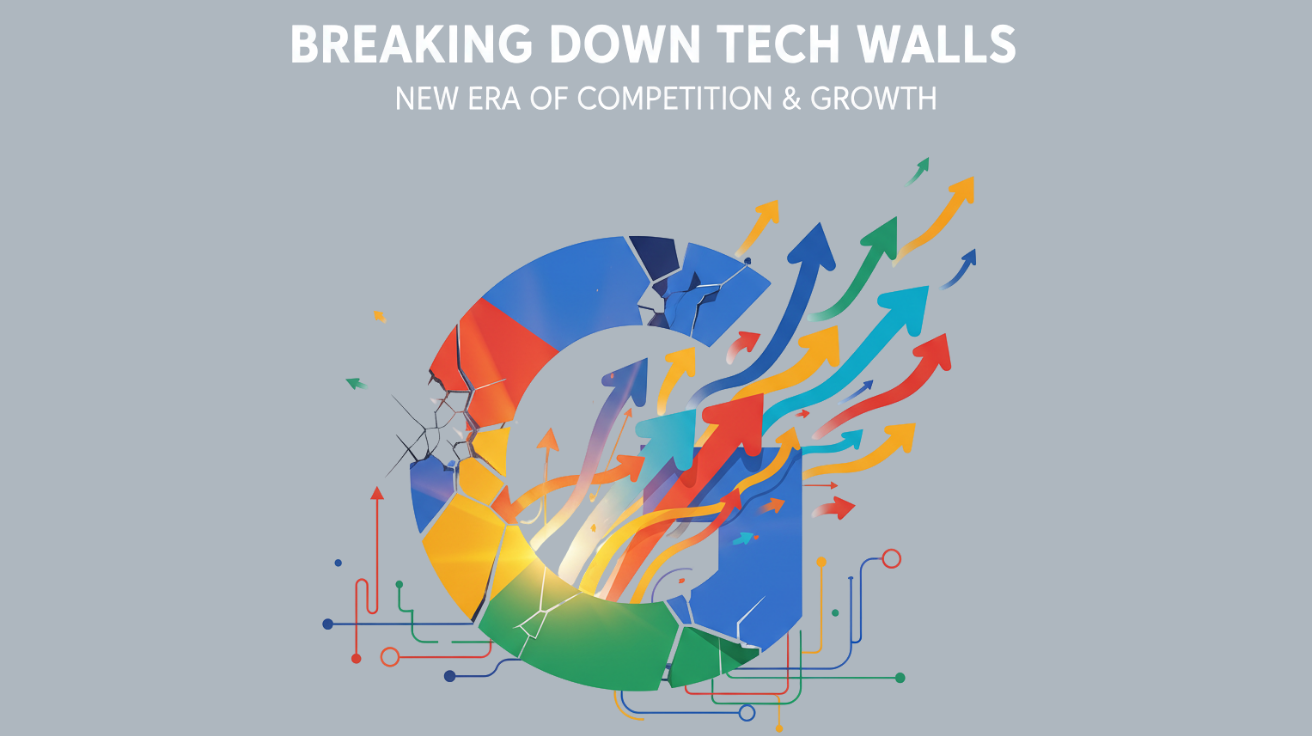
In September 2025, the Justice Department secured a landmark ruling against Google for unlawful monopolization in the search and search advertising markets. The Google Antitrust Ruling doesn’t just reshape the tech landscape; it has direct implications for B2B performance marketing teams navigating an increasingly complex digital marketplace. Let’s break down what this ruling means for marketing leaders at high-growth B2B companies, and how to prepare for what’s next.
Why This Matters for B2B Performance Marketing
For more than a decade, Google controlled nearly every on-ramp to search through exclusive contracts with device makers, carriers, and browsers. That’s why Google has commanded 90%+ of U.S. search traffic. The court has now barred Google from entering or maintaining these exclusivity agreements. This opens the door to more meaningful competition from rivals such as Bing, DuckDuckGo, and emerging AI-driven search platforms.
For advertisers: Expect a gradual increase in search diversity. Instead of “all Google, all the time,” budgets will need to diversify to maintain visibility across multiple discovery platforms. This shift requires strategic media planning where ROI depends on cost efficiencies and reach across channels.
Data Access Levels the Playing Field for B2B Growth Marketing
One of the most striking remedies in the Google Antitrust Ruling: Google must share portions of its search index and user-interaction data with competitors. Historically, this data was the billion-dollar barrier keeping rivals from building search engines with comparable quality. Now, startups and challengers have a chance to deliver relevant results and ad inventory at scale.
For advertisers: This could mean access to new channels offering intent-driven ads at competitive rates. For companies pursuing B2B growth marketing, the ability to test and scale campaigns across multiple platforms will become more practical and cost-effective.
Multi-Engine SEM and Strategic Media Planning
Another major shift: Google is now required to offer syndication of its search and text ads to competitors. Think of it as “multi-engine SEM.” Instead of being locked into Google Ads as the sole gateway, advertisers may soon be able to buy across multiple engines through interoperable systems, fundamentally changing how B2B growth marketing teams approach paid search..
For advertisers: Campaign management could become more efficient, with reach across rival platforms without reinventing your entire structure. For B2B marketers focused on strategic media planning, this creates opportunities to rebalance media portfolios the way financial advisors rebalance investments.
Generative AI Discovery and the Future of Paid Media
Importantly, the ruling also extends to generative AI. Google cannot replicate its search monopoly tactics through Gemini or future AI assistants. This matters because the future of discovery is shifting from traditional search boxes to conversational AI platforms, creating new opportunities for AI search advertising.
For advertisers: Expect new formats beyond sponsored links—contextual placements, product cards, and conversational ads that feel natural inside AI assistants. For demand generation strategies, this creates new pathways to reach buyers earlier in their journey, without being tied exclusively to Google.
What B2B Marketing Leaders Should Do Now
The remedies won’t transform the landscape overnight. Google remains dominant. But the foundation for long-term change has been laid. Here’s how we recommend thinking about the Google Antitrust Ruling:
- Short Term (6–12 months): Continue optimizing within Google Ads while testing alternatives (Microsoft, DuckDuckGo, Perplexity). Use performance dashboards to benchmark results.
- Mid Term (1–3 years): Allocate a portion of the budget to non-Google search and AI discovery platforms. Build reporting that compares ROI across engines to guide B2B performance marketing investment decisions and optimize multi-engine SEM campaigns.
- Long Term (3–5 years): Prepare for a diversified search landscape, similar to how social evolved from Facebook-only to a mix of Meta, LinkedIn, TikTok, and X. Companies with a strong B2B omnichannel approach will be best positioned to capitalize on more efficient, transparent, and innovative ad opportunities.
Final Word
This ruling marks a turning point. For advertisers, it signals the beginning of a new era where search and, increasingly, AI discovery will be more open, competitive, and dynamic. At Growth Marketing Werks, we interpret these shifts the same way financial advisors think about portfolios: balancing risk, maximizing returns, and rebalancing demand generation strategy as markets change. That’s the lens we’ll continue to apply as we help clients diversify, adapt, and grow in this new landscape.
Looking for a trusted partner to help you navigate the search landscape? Read about how Pinnacol Assurance increased its conversion rate by 1,214% when they moved search strategy and execution from in-house to Growth Marketing Werks.
Author: Suzanne Corriell, CEO | Founder